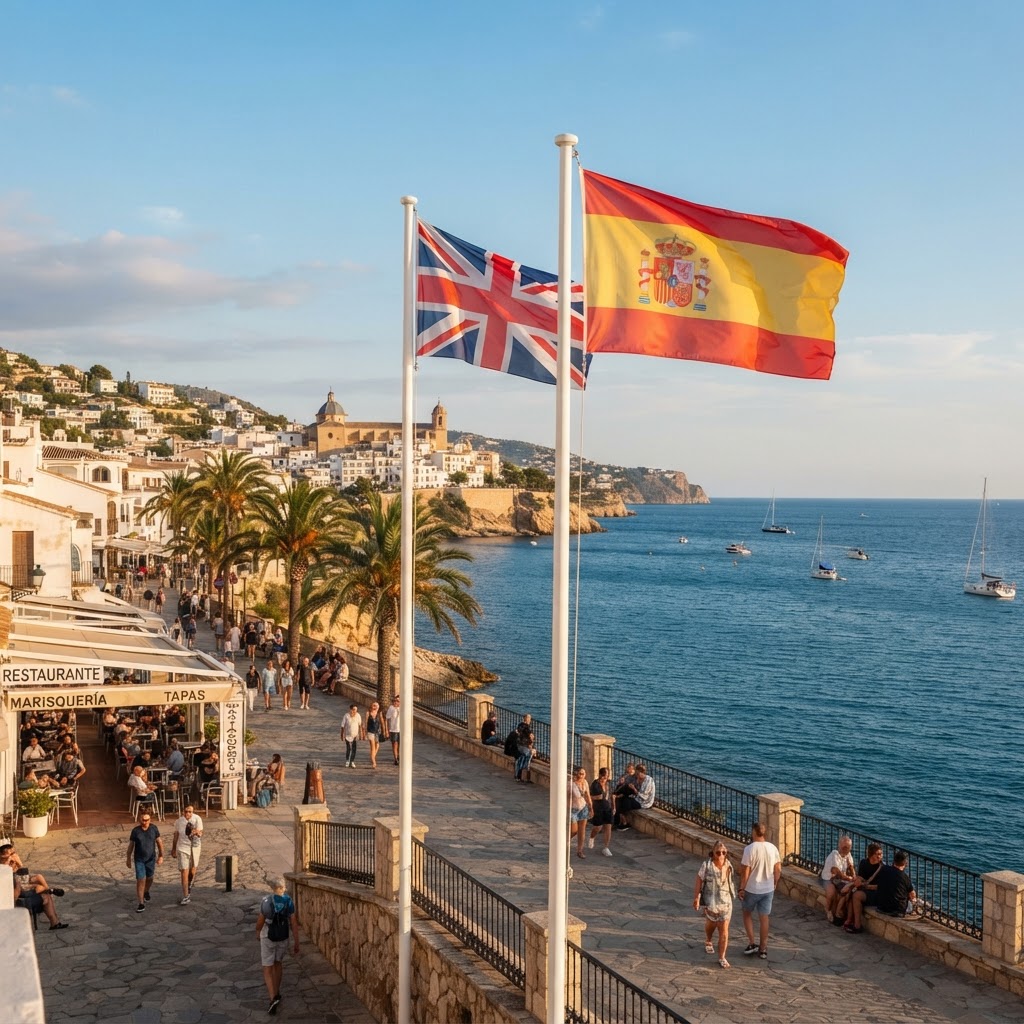
Why Move to Spain? 10 Reasons People From Around the World Choose to Live in Spain
Discover the Spanish lifestyle, best places to live, family benefits, cost of living and what to know before moving to Spain.

Why are so many people from the UK, Europe and around the world choosing to move to Spain?
For some, it starts with a holiday. For others, it is the dream of a home near the Mediterranean, a better balance between work and family life, or a new beginning somewhere that feels different.
But moving to Spain is about more than sunshine. It is about finding the right place to live, building a community, experiencing a new culture and creating a lifestyle that suits your future.
Spain offers an extraordinary variety of places to call home, from the beaches of the Costa del Sol and Costa Blanca to the vibrant streets of Valencia, the green landscapes of northern Spain and the traditional villages of Andalucía.
At CasaViva360, we believe finding the right property in Spain starts with understanding the life you want to live.
Here are 10 reasons why people choose Spain, the locations worth exploring and the practical things to consider before making your move.
1. The Spanish lifestyle: more than just sunshine
One of the biggest reasons people move to Spain is the opportunity to spend more time enjoying everyday life.
In many parts of the country, the climate makes outdoor living possible for much of the year. Morning coffee on the terrace, evening walks, weekend trips to the beach and meals with family and friends can become part of your normal routine.
Spain also offers an incredible variety of outdoor activities, from hiking in the mountains and cycling through the countryside to swimming, sailing and exploring historic towns.
Of course, lifestyles differ between regions. Southern Spain experiences hot summers and mild winters in many coastal areas, while northern Spain is generally greener and wetter, with cooler conditions.
The attraction is not simply the weather. It is the opportunity to choose an environment that matches your priorities.
For some, that means a beachfront apartment. For others, it means a family villa with a swimming pool, a traditional village home or a modern property close to a city.
If you are considering moving to Spain, start by asking yourself what you want your everyday life to look like. The answer can help you narrow down the locations that deserve a closer look.
2. Spain offers a choice of lifestyles and locations
One of the country's greatest advantages is the diversity of its regions. There is no single Spanish lifestyle, and the best place to live in Spain depends on your budget, family, work and personal preferences.
Here are five areas to consider when searching for property in Spain.
Costa del Sol, Andalucía
Best for: Mediterranean living, international communities, golf, beaches and outdoor dining.
The Costa del Sol, in southern Spain, attracts international residents looking for sunshine, coastal living and access to Málaga Airport.
Popular locations include Marbella, Estepona, Fuengirola, Benalmádena and Mijas. Inland towns and villages can offer a different pace of life, with traditional architecture and countryside surroundings.
Property ranges from modern apartments and townhouses to luxury villas and rural homes.
Buyers should compare local property prices, community fees, transport, schools and access to healthcare before deciding which area suits them.
Costa Blanca, Comunidad Valenciana
Best for: Coastal towns, Mediterranean beaches, residential communities and a range of property types.
The Costa Blanca stretches along the province of Alicante and attracts people looking for apartments, townhouses, villas and homes within established communities.
Locations such as Alicante, Torrevieja, Jávea, Dénia and Orihuela Costa offer different combinations of beaches, amenities and residential living.
Some buyers prefer to live close to the coast, while others explore inland towns for more space or a different setting.
When comparing properties, consider how the area feels throughout the year, not just during the summer holiday season.
Valencia city and surrounding areas
Best for: City living, culture, transport, beaches and everyday amenities.
Valencia combines historic neighbourhoods, modern developments, green spaces, restaurants and access to the Mediterranean coast.
It can appeal to professionals, families, international residents and people who want city amenities without giving up opportunities for outdoor living.
The surrounding towns and suburbs may also be worth exploring if you prefer more space while remaining within reach of the city.
Northern Spain: Galicia, Asturias and the Basque Country
Best for: Green landscapes, dramatic coastlines, regional culture and cooler summers.
Northern Spain offers a very different environment from the Mediterranean south.
Galicia is known for its green countryside and rugged coastline. Asturias combines mountains, beaches and traditional towns. The Basque Country offers distinctive food, culture and urban centres, including San Sebastián and Bilbao.
These areas may suit buyers who prefer a greener climate and a different pace of life.
Inland Andalucía and rural Spain
Best for: Traditional villages, countryside, outdoor space and a quieter lifestyle.
If your dream is a finca, a country house or a traditional home in a Spanish village, inland locations deserve attention.
Areas around Coín, Álora, Ardales and other parts of inland Málaga offer access to countryside, local communities and outdoor activities, while distances to major services vary by location.
Rural property requires additional checks. Before purchasing, investigate planning permissions, water supply, road access, building registration and the distance to schools, shops and healthcare.
The best place to live in Spain is not necessarily the most famous destination. It is the place that fits your real life.
3. Is Spain a good place to raise a family?
For many international families, moving to Spain is about giving their children new experiences and building a life around family time.
Children can grow up learning another language, experiencing Spanish traditions, making friends from different backgrounds and taking part in local sports and activities.
Spain has public, private and international schooling options, although availability and admissions requirements vary by area.
Spanish state schools can offer valuable language immersion. For families moving with children who do not yet speak Spanish fluently, it is important to investigate the support available at individual schools.
Before buying a family home in Spain, consider:
- Schools: check catchment areas, available places, language support and transport.
- Childcare: research guarderías and other childcare arrangements if you have younger children.
- Healthcare: understand public healthcare eligibility and whether private insurance is needed.
- Activities: look at sports clubs, parks, swimming pools and other opportunities for children.
- Daily travel: work out how far you will need to drive for school, work and everyday essentials.
A beautiful property can be exciting, but the surrounding area will shape your family's daily experience.
That is why choosing the location first can be just as important as choosing the house.
4. Is the cost of living in Spain cheaper?
The cost of living in Spain depends on where you live and how you spend your money.
Some smaller towns and inland locations can offer lower housing costs than sought-after coastal resorts or major city centres. However, popular areas such as Marbella, central Valencia and certain parts of Alicante can be expensive.
Your budget should include more than the price of a property.
Consider housing, electricity, water, internet, groceries, transport, insurance, childcare, school expenses, community fees and local taxes.
If you are buying a property, remember to account for purchase taxes, legal fees, notary and registration expenses, maintenance and potential renovation costs.
If you plan to work in Spain, investigate employment opportunities, salaries and tax implications. If you intend to work remotely or retire, check how your income and residency arrangements will affect your budget.
A useful approach is to prepare a monthly budget for each location you are considering.
Compare the cost of the life you want to live rather than relying on general claims that Spain is always cheaper.
5. Food, culture and the Spanish way of life
Food is an important part of Spanish culture, but it is only one aspect of what makes living here distinctive.
Local markets, regional recipes, tapas, family meals and village celebrations offer opportunities to experience the traditions of the area where you live.
Every region has its own identity.
You might discover seafood and traditional dishes in Galicia, pintxos in the Basque Country, paella in Valencia or the food and village fiestas of Andalucía.
Spain also has a rich cultural calendar, including local festivals, music, architecture and historic celebrations.
For people moving from abroad, taking part in local life can be one of the most rewarding ways to feel at home.
Learning Spanish, even gradually, can help you build relationships, manage everyday tasks and understand the culture beyond the international communities.
You do not have to know everything before moving. Being willing to learn and participate can make a meaningful difference.
6. Healthcare, transport and everyday convenience
Spain has a public healthcare system as well as private healthcare providers. Access to public healthcare depends on your circumstances, so anyone planning to relocate should confirm their eligibility before moving.
Transport varies considerably between regions.
Major cities have public transport networks, and high-speed rail connects many Spanish cities. Coastal towns and rural areas can be more car-dependent, depending on where you live.
When choosing a property in Spain, ask yourself:
- How far is the nearest health centre or hospital?
- Can you reach shops, restaurants and everyday services on foot?
- Will you need a car for school runs or work?
- How convenient is the nearest airport?
- Is public transport available outside peak tourist periods?
These practical details matter whether you are moving permanently, buying a second home or planning to spend several months a year in Spain.
7. Can foreigners buy property in Spain?
Yes. Foreign nationals can generally purchase property in Spain, but the process and the wider requirements of living in the country depend on their circumstances.
Buying a property does not automatically grant residency rights. British citizens and other non-EU nationals should check the applicable immigration requirements separately from the property-purchase process.
Before completing a purchase, buyers should obtain independent legal advice and ensure the relevant checks are carried out.
These may include:
- Confirming the legal owner and the property's registered details.
- Checking for mortgages, charges or other debts affecting the property.
- Verifying planning permissions and building legality.
- Reviewing community rules and any restrictions on intended use.
- Understanding the applicable taxes and purchase expenses.
- Checking whether a mortgage or other financing is available.
You will generally need an NIE, the Spanish foreigner's identification number, for property-related financial and administrative transactions.
The exact documents and process will depend on the transaction.
For buyers planning a permanent move, it is also important to research residency, healthcare, tax residency and any visa requirements that apply to them.
Getting these details right early can help prevent expensive surprises later.
8. Is Spain a good place to retire or work remotely?
Spain can appeal to people at different stages of life, including retirees, remote workers, entrepreneurs and professionals.
Retirees may be drawn to the climate, cultural activities and opportunities to enjoy an active lifestyle. Remote workers may value the combination of urban amenities, outdoor spaces and access to international transport.
However, the suitability of Spain depends on individual circumstances.
Retirees should investigate pensions, tax treatment, healthcare and residency requirements. Remote workers should confirm that their immigration status, employment arrangements and tax position allow them to work from Spain.
People planning to run a business should research registration, social security, tax obligations and the costs of operating locally.
The key is to make sure your financial and legal arrangements support the lifestyle you want.
9. What are the challenges of moving to Spain?
A realistic guide to moving to Spain should include the challenges as well as the attractions.
Paperwork can take time, property transactions require careful checks, and finding the right school or healthcare arrangements may involve research before you arrive.
Language can also be a barrier, particularly in smaller towns where fewer people may speak English.
Housing costs can be high in popular destinations, while some rural areas offer fewer local services or employment opportunities.
You may also need time to build friendships, understand local customs and adjust to a different way of doing things.
Planning ahead makes these challenges easier to manage.
Research the area in different seasons, prepare a realistic budget, seek qualified legal and tax advice and make sure you understand the requirements that apply to your family.
Moving to Spain can be an exciting new chapter, but it is worth making the decision with a clear understanding of everyday life.
10. Why Spain? Because your next chapter can look different
People choose Spain for many reasons.
Some dream of a home by the sea. Others want a garden for their children, a traditional finca, a city apartment or a quieter life in the countryside.
Some are moving for work, some for retirement and others because they want to experience a new culture and build a different future.
There is no single answer to why Spain appeals to so many people.
But one thing is clear: choosing a home is about more than the property itself.
It is about the location, the community, the lifestyle and the opportunities that come with living there.
The right home should fit the life you want to create.
Find your place in Spain with CasaViva360
At CasaViva360, we want to make finding a property in Spain feel easier, clearer and more personal.
Our property platform helps you explore homes across different locations, compare possibilities and discover areas that may suit your lifestyle.
Whether you are searching for a beachfront apartment on the Costa Blanca, a family villa on the Costa del Sol, a modern home in Valencia or a traditional property in the Spanish countryside, you can begin by exploring what is available.
Not sure where to start?
Tell us what matters to you — your budget, preferred lifestyle, family requirements and the type of home you are looking for.
We can help you narrow down your search and connect you with an agent who understands your requirements.
Because you are not just looking for four walls. You are looking for where your next story begins.
Start your search today at CasaViva360.com or tell us what you are looking for through our Find Your Home service, or browse properties across Spain.
CasaViva360 provides property-search resources and general relocation information. Property, tax, immigration and healthcare requirements vary according to individual circumstances and should be verified with qualified professionals or the relevant authorities.
Frequently asked questions about moving to Spain
Is Spain a good country to move to?
Spain may suit people looking for a Mediterranean lifestyle, cultural experiences, outdoor activities and a variety of places to live. Whether it is right for you depends on your budget, employment, family needs and residency circumstances.
Where is the best place to live in Spain?
There is no single best location. The Costa del Sol and Costa Blanca offer Mediterranean coastal living, Valencia combines city amenities with beach access, northern Spain has greener landscapes, and inland Andalucía offers village and countryside options.
Is Spain affordable for families?
Costs vary significantly by region. Families should compare housing, utilities, transport, childcare, schooling, healthcare and everyday expenses before choosing where to live.
Can British citizens buy a house in Spain?
Yes, British citizens can generally buy property in Spain. However, property ownership does not automatically grant residency rights. Buyers should check the current immigration rules and seek independent legal advice.
Can I move to Spain with my children?
Families can relocate to Spain if they meet the applicable immigration requirements. Before choosing a property, research school admissions, healthcare, childcare, language support and the availability of local activities.
Should I buy a property before moving to Spain?
Not necessarily. Some people prefer to rent first while researching locations, schools and services. Others buy after thorough research and legal checks. The best approach depends on your circumstances, budget and confidence in the location.
How do I find the right property in Spain?
Start by identifying your budget, preferred region, lifestyle and practical requirements. Compare properties and local amenities, then obtain independent legal advice before committing to a purchase. CasaViva360 can help you explore properties and start narrowing down your options.
Get the latest Spain property insights
Market reports, area guides, and new articles — straight to your inbox.