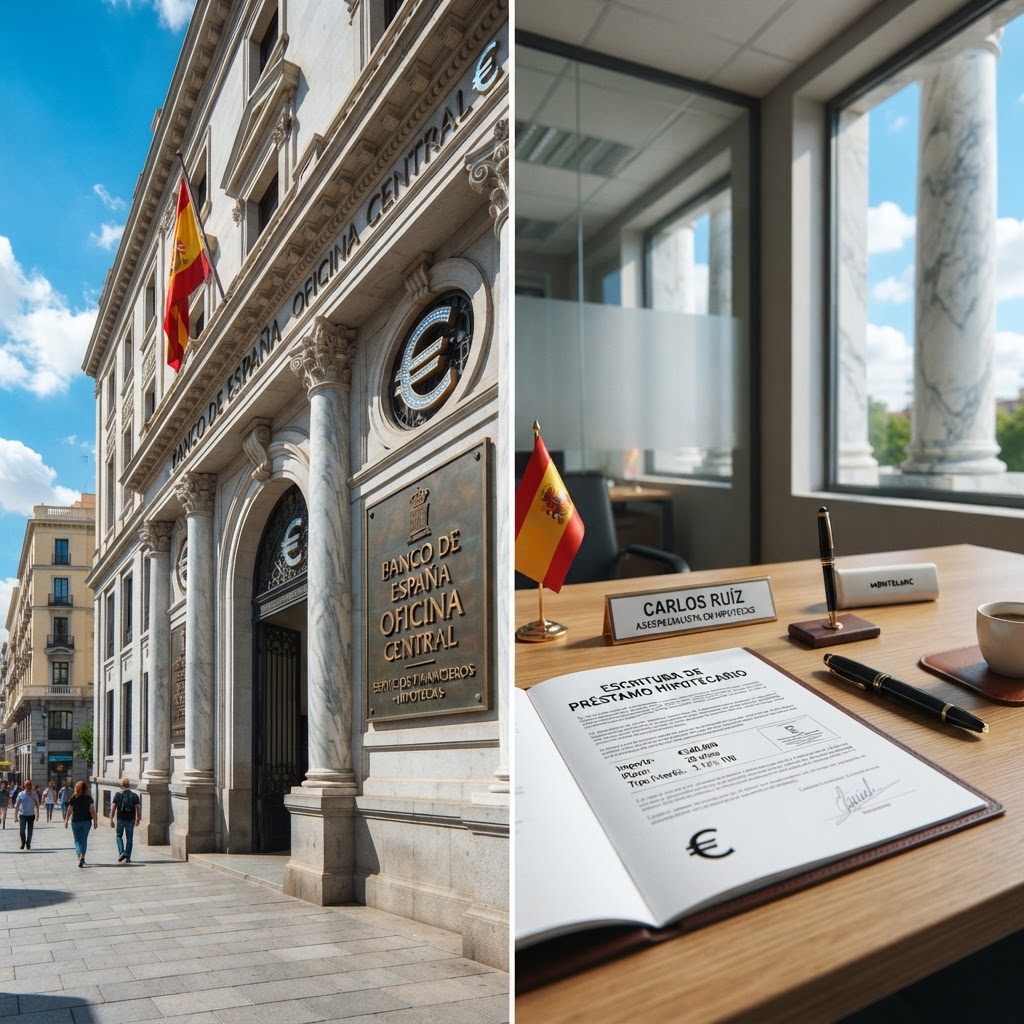
Buying Property in Spain: The Complete 2026 Step-by-Step Guide
Everything you need to know about buying property in Spain — the legal process, costs, NIE, taxes, mortgages, and how to avoid common pitfalls. A practical guide for foreign buyers.
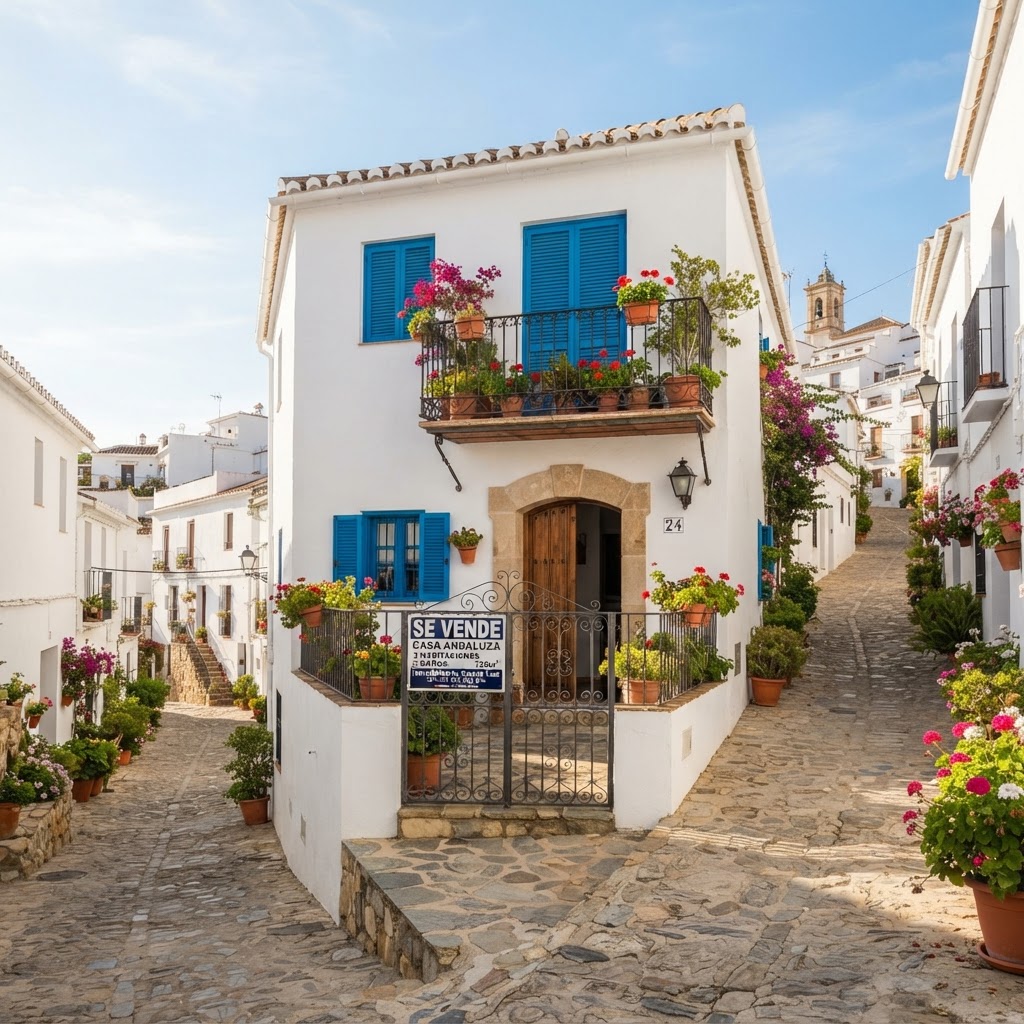
Can Foreigners Buy Property in Spain?
Yes. There are no restrictions on foreign property ownership in Spain. You don't need to be a resident, and you don't need a visa. All you need is an NIE number (your foreigner ID) and a Spanish bank account.
Spain has one of Europe's most transparent property markets, with a notary system that protects both buyer and seller. With the right lawyer, it's a safe and straightforward process.
The 7 Steps to Buying Property in Spain
Step 1: Get Your NIE Number
Your Número de Identidad de Extranjero is your foreigner tax ID. You need it for everything — buying property, opening a bank account, getting utilities, paying taxes.
You can apply at a Spanish police station or at the Spanish consulate in your home country. Cost: ~€15. Processing time: 1–4 weeks.
See our complete NIE guide for details.
Step 2: Open a Spanish Bank Account
You'll need a Spanish account to pay the deposit, notary fees, and ongoing utilities. Most banks will open an account with your passport and NIE.
Step 3: Find Your Property & Make an Offer
Browse CasaViva360 listings, find a property, and make an offer. If accepted, you move to the reservation stage.
Step 4: Sign the Reservation Contract
The contrato de reserva takes the property off the market. You pay a small deposit (typically €3,000–€6,000) which is held by the agent or lawyer.
Step 5: Due Diligence
This is the most important step. Your independent lawyer checks:
- The property title (who really owns it)
- Any outstanding debts or mortgages
- Planning permission and building legality
- The habitation certificate (cédula de habitabilidad)
- Community debts (for apartments)
Budget ~1% of the price for your lawyer. See our buying costs guide.
Step 6: Sign at the Notary
On completion day, both parties sign the escritura pública (public deed) before a notary. You pay the balance, receive the keys, and the property is yours.
Step 7: Register & Pay Taxes
After signing, your lawyer registers the property at the Land Registry and pays the transfer tax (ITP) or VAT (IVA). This takes 1–2 months.
Total Costs: Budget 10–14%
On top of the purchase price:
| Cost | Amount |
|---|---|
| Transfer tax (ITP) — resale | 6–10% (varies by region) |
| VAT (IVA) — new build | 10% |
| Notary | €600–€900 |
| Land registry | €400–€600 |
| Lawyer | ~1% of price |
| Bank valuation (if mortgage) | €300–€500 |
| Translator (if needed) | €100–€200 |
See our detailed Spanish buying costs guide.
Getting a Mortgage
Spanish banks lend to non-residents at 60–70% loan-to-value. Interest rates typically range from 2.5% to 4.5%.
The most expat-friendly banks are Sabadell, BBVA, and CaixaBank. You'll need proof of income, bank statements, and a credit report.
See our complete Spanish mortgage guide.
Common Pitfalls to Avoid
- Using the seller's lawyer — always use your own independent lawyer
- Not checking for debts — debts attach to the property, not the owner
- Buying without a bank guarantee — for off-plan, ensure your deposit is guaranteed
- Skipping the energy certificate — required by law
- Not checking the community debts — for apartments, unpaid community fees become yours
Country-Specific Guides
Next Steps
Buying in Spain is safe when you follow the process. Get a good lawyer, budget for the costs, and enjoy your new Spanish home.
Get the latest Spain property insights
Market reports, area guides, and new articles — straight to your inbox.